Unleash Your Creative Projects with Realistic Color Pencils Illustrations
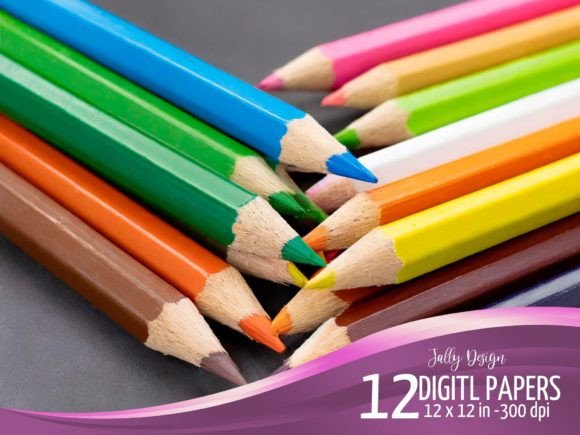
There’s a certain warmth and nostalgia that comes with hand-drawn art, and the Realistic Color Pencils Illustrations digital collection captures that feeling perfectly. This isn’t just another set of generic patterns; it’s a carefully crafted pack of beautiful, AI-generated illustrations that mimic the rich, textured look of traditional colored pencil artwork. Every stroke, every blend, and every subtle variation in tone is designed to add a layer of handmade authenticity to your digital projects. The visual personality is approachable, artistic, and versatile—it feels both personal and professional, making it a standout asset for creators who want to move beyond flat, digital-only aesthetics.
The Authentic Appeal of Hand-Drawn Texture
What makes this collection so effective is its attention to detail. When you zoom in, you don’t see a pixelated or artificial pattern; you see the convincing grain of pencil on paper, the soft gradients where colors meet, and the slight imperfections that make art feel alive. This level of realism is a game-changer for design assets. It allows you to incorporate the hand-drawn texture of a colored pencil illustration without needing advanced drawing skills or hours of manual labor. The style strikes a balance—it’s detailed enough to look premium but not so busy that it overwhelms a layout. It has a friendly, creative energy that can soften corporate branding or elevate personal projects with a touch of artisan charm.
Where to Use These Illustrations for Maximum Impact
Think of this collection as a versatile tool in your creative toolkit. Its applications are broad, and its impact is immediate. For brand identity, these illustrations can be used to create unique backgrounds for business cards, letterheads, or website hero sections, helping a brand feel more human and connected. In packaging design, the textured paper effect adds a tactile quality that suggests care and craftsmanship, ideal for artisanal products, cosmetics, or boutique goods.
For editorial design and publishing, the illustrations make beautiful chapter headers, section dividers, or full-page backgrounds in magazines, planners, or e-books. They provide a visual break from standard stock photography and give layouts a cohesive, artistic theme. Content creators and marketers will find them invaluable for social media graphics—think Instagram story backgrounds, Pinterest pins, or Facebook post templates that stand out in a crowded feed. The textured look is particularly engaging in digital spaces where crisp, clean vector art is the norm.
Beyond digital, the collection shines in print. The specifications—12 x 12 inches at 300dpi in .JPEG format—are perfect for creating printable materials. Use them for custom invitations, greeting cards, wedding stationery, or wall art. The high resolution ensures that the fine details of the pencil texture remain sharp and beautiful when printed. For digital products, they can serve as the foundation for printable planners, journal covers, or downloadable art prints, adding significant value to your offerings.
Making It Work: Practical Tips for Integration
Using a textured background effectively requires a thoughtful approach. The key is to ensure your foreground elements—like text, logos, or key graphics—remain readable and impactful. Here’s how to get the best results:
- Test for Readability: Always overlay your text or main graphic on the illustration and zoom to 100%. Check that there’s enough contrast. If the pencil texture is too busy, consider adding a semi-transparent color overlay or a subtle gradient behind your text to create a clearer reading area.
- Font Pairing is Crucial: The organic feel of the illustrations pairs well with a variety of typefaces. For a modern, clean contrast, try a simple sans-serif font. To amplify the artistic vibe, a handwritten font or a script font can work beautifully. Avoid overly decorative or complex display fonts that might compete with the texture for attention.
- Use for Hierarchy and Accents: You don’t have to use the illustration as a full background. Consider using it for specific elements: a textured header bar, a colored pencil-style border, or as a fill for shapes in your layout. This can create visual interest without overwhelming the entire design.
- Evaluate Project Fit: Ask yourself if the hand-drawn aesthetic aligns with your project’s tone. It’s perfect for brands that want to appear approachable, creative, or artisanal. For a highly technical or ultra-modern web design, it might serve better as an accent rather than a primary background.
A Smart Addition to Your Creative Library
Investing in a high-quality digital paper collection like this is about saving time and elevating your output. The Realistic Color Pencils Illustrations provide a ready-made solution for adding depth and personality. The included styles offer variety, ensuring you have options for different moods and projects. Because the collection is licensed for commercial use, you can confidently use it in client work, products for sale, and marketing materials. It’s a practical asset that can streamline your workflow, help you maintain visual consistency across a campaign, and ultimately make your designs more memorable and engaging.
Ultimately, the best way to appreciate its value is to experiment. Start by incorporating one of the illustrations into a small project—a social media post or a digital invitation. See how the texture interacts with your content and how it changes the feel of the piece. You’ll likely find that this collection doesn’t just decorate a space; it inspires a different kind of creativity, one that feels more personal and connected to the timeless art of drawing.